
Multiseek · Island inspiration
Mauritius: Island History, Le Morne & Things to Do
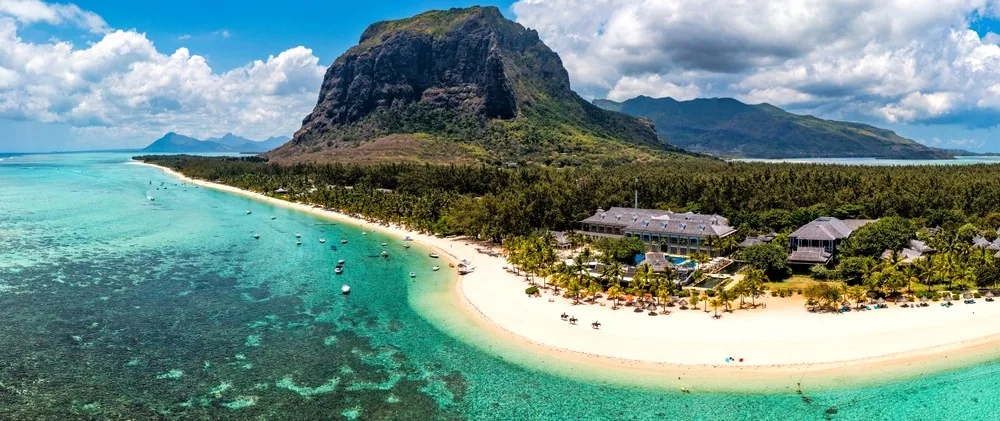
Turquoise lagoons, volcanic mountains and a richly mixed culture make Mauritius much more than a beach escape. This Indian Ocean island lies east of Madagascar, off Africa’s southeastern coast. The photograph shows Le Morne Brabant, a dramatic mountain rising above the southwest coast—not a separate island.
An island shaped by migration
Once uninhabited, Mauritius experienced Dutch settlement from 1638, followed by French and British rule. Sugar plantations relied on enslaved labour; after slavery’s abolition in 1835, indentured workers, particularly from India, helped shape the island’s society. Mauritius became independent in 1968 and a republic in 1992. The island was also home to the dodo, the extinct flightless bird that remains one of its best-known symbols today.
Le Morne’s history is especially poignant. Its mountain sheltered people escaping slavery, known as maroons. Inscribed on UNESCO’s World Heritage List in 2008, the cultural landscape remains a powerful symbol of resistance, freedom and remembrance.
Mauritius today
Today, Mauritius combines tourism, agriculture, manufacturing and financial services. Alongside beachfront resorts are working fishing communities, sugarcane fields, busy towns and protected natural areas. Indian, African, European and Chinese influences appear in its food, religious traditions and everyday life.
Things to see and do
Start with Le Morne’s beaches, then explore the peninsula’s heritage and hiking opportunities. Arrange suitable local guidance for demanding mountain routes. The coast is also known for kitesurfing, while sheltered reef areas elsewhere offer snorkelling excursions.
Inland, visit Chamarel’s Seven Coloured Earth and waterfall, or explore the forest scenery of Black River Gorges National Park. Port Louis offers markets, waterfront walks and Aapravasi Ghat, another UNESCO site linked to indentured migration. Leave time for a sega performance to experience the island’s musical traditions.
Eat your way around the island
Try dholl puri, thin flatbreads filled with split peas and served with curry and chutney. Sample gâteaux piments, savoury chilli fritters, and Creole rougaille, a tomato-based preparation served with different accompaniments. Seafood, biryani and Chinese-style noodles reveal the island’s culinary variety. Finish with sweet alouda, a chilled milk drink with basil seeds and agar jelly, or refreshing tamarind juice.
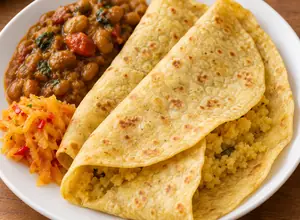
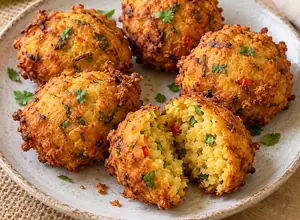
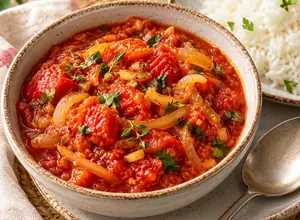
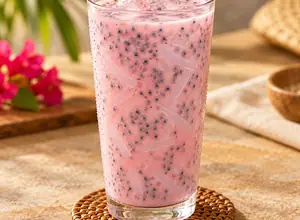
AI-generated food illustrations; serving styles vary.
Sources: Republic of Mauritius · UNESCO: Le Morne · UNESCO: Aapravasi Ghat · Air Mauritius. Travel details checked October 2026; schedules and access can change.