
When is the best time to see whales in Australia? & Where?
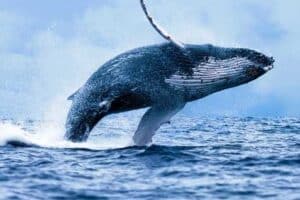
Australia offers one of the world’s most reliable whale-watching destinations, with each state providing a slightly different experience depending on timing, location, and species. If you haven’t experienced whale watching, then please add it to the bucket list. I personally have been to Hervey Bay over 30 years ago which was great, and would like to try some other locations. Usually it is the East Coast of Australia, particularly NSW & Queensland, plus Western Australia, both regions with warmer waters, that provide the best chance to see whales in all their glory.
Watching a whale in the wild and especially close up from a boat, is one of those experiences that feels a lot bigger than you expect. At first, there’s a quiet anticipation on the boat for all the punters as you scan the horizon, and then suddenly a spout appears, followed by the massive, slow rise of something alive beneath the surface. When a Humpback Whale breaches, it’s not just impressive—it’s bloody incredible. The sheer size, the sound of its body crashing back into the water, and the spray that follows can make everything else feel small and distant for a moment. I have seen dolphins in the wild while surfing and that is spectacular, but whales are on another level of excitement, which quickly merges into a sense of calm. Whales aside from breaching occasionally, move with a kind of effortless power, gliding through the ocean in a way that feels ancient and unhurried. Watching a Humback Whale with its calf gently surfacing and diving, often brings a feeling of quiet connection—like you’re witnessing something deeply personal in nature, as the boat becomes silent without realization. The crew also seem transfixed, I cannot imagine a better job. Below are great tours you might like to consider.
Summary
- Season nationwide: May to November
- Best months: August to October (peak migration and calves)
- Most common species: Humpback Whale
- Best for close encounters: Hervey Bay
- Best land-based viewing: Logans Beach and Head of Bight
- Greatest species variety: Western Australia
Mark W. – Multiseek